UV Protective Clothing for Kids certified according to UV STANDARD 801

Safe and reliable UV protection ☀ Enjoy the sun cheerful ☀ Sustainably made in Croatia

Safe and reliable UV protection ☀ Enjoy the sun cheerful ☀ Sustainably made in Croatia

✓ Fast delivery: Ordered by 1 p.m. – shipped today (weekdays Mon–Fri)

Close filters
➤ Filter
  •  
  •  
  •  
  •  
  •  
  •  
No results were found for the filter!
KIDS UV Shirt - bell air KIDS UV Shirt - bell air
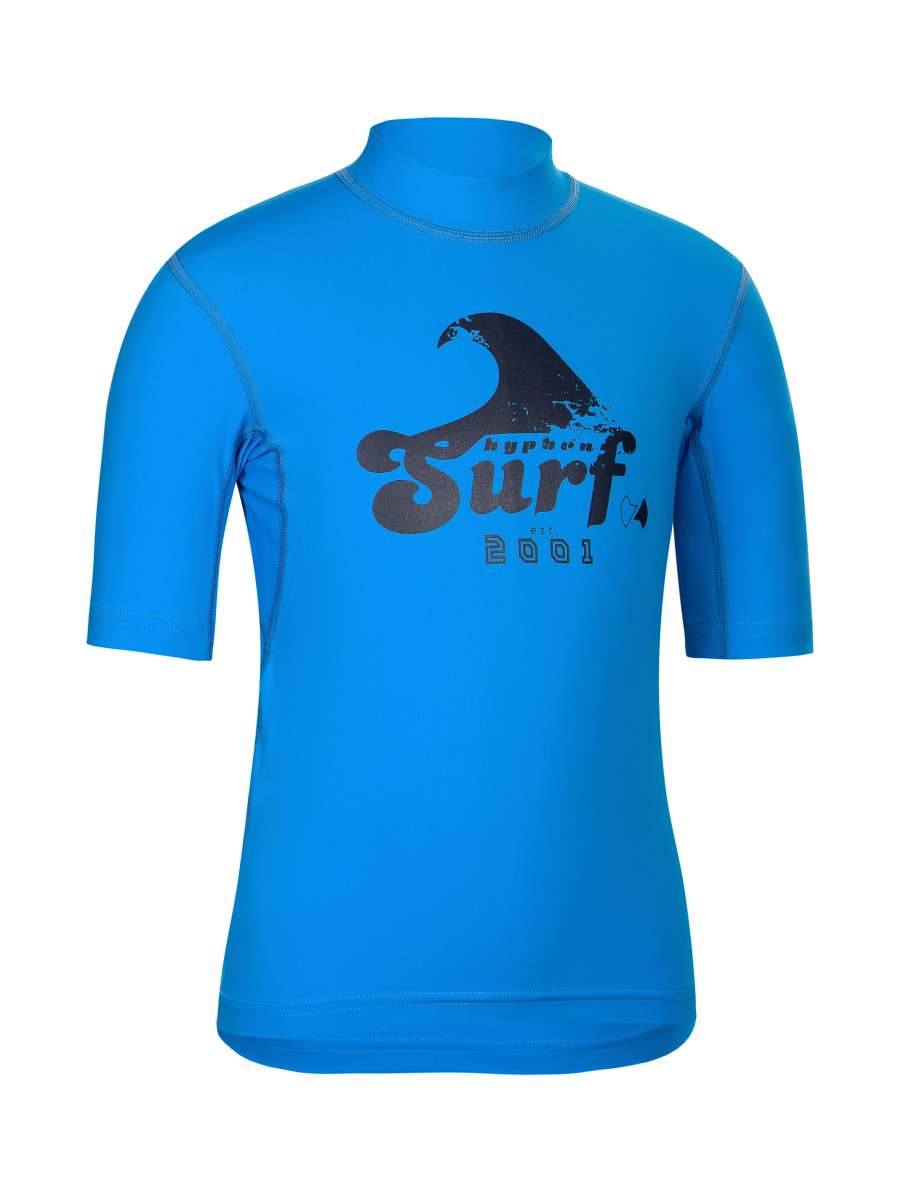
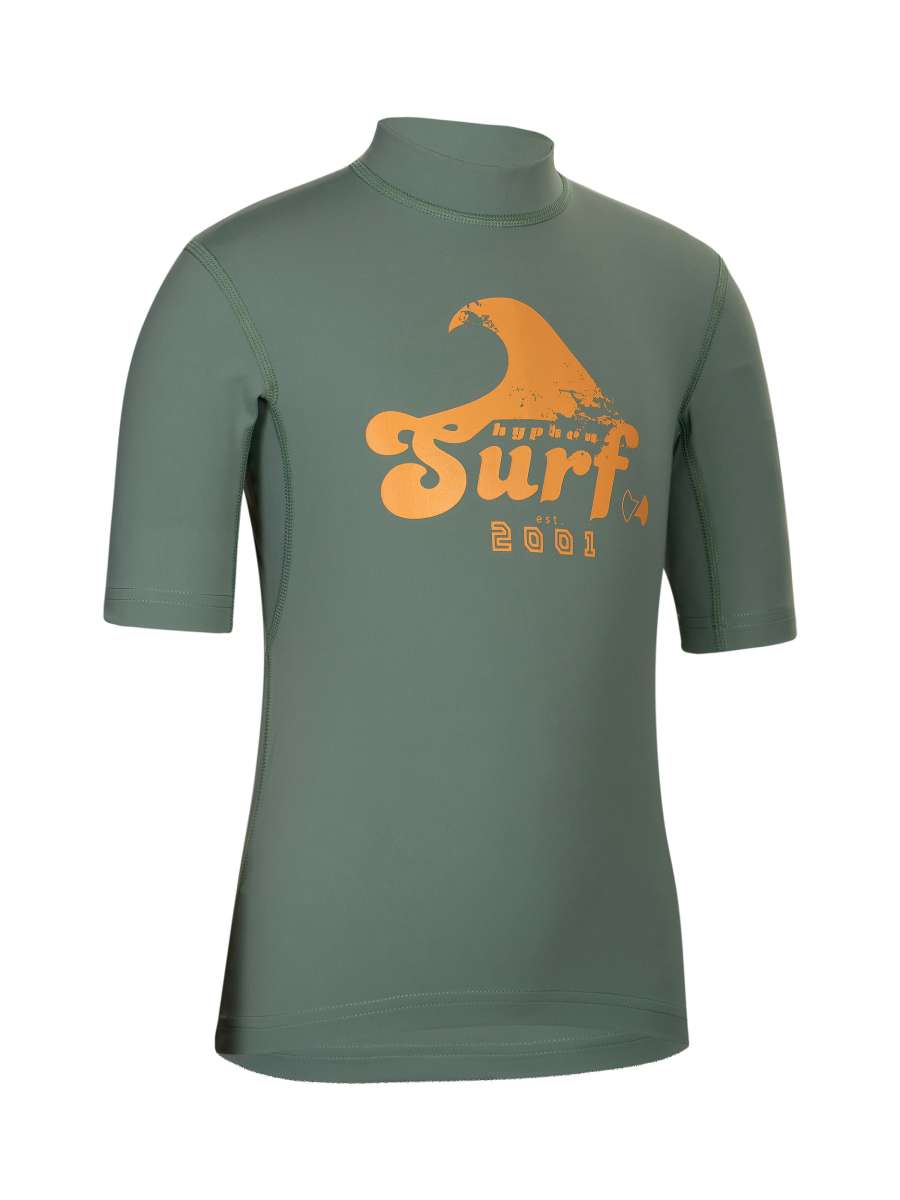
Leichtes Baby Kurzarmshirt in Blaugrau.
€39.95
UV Longsleeve ‘bell air‘ UV Longsleeve ‘bell air‘
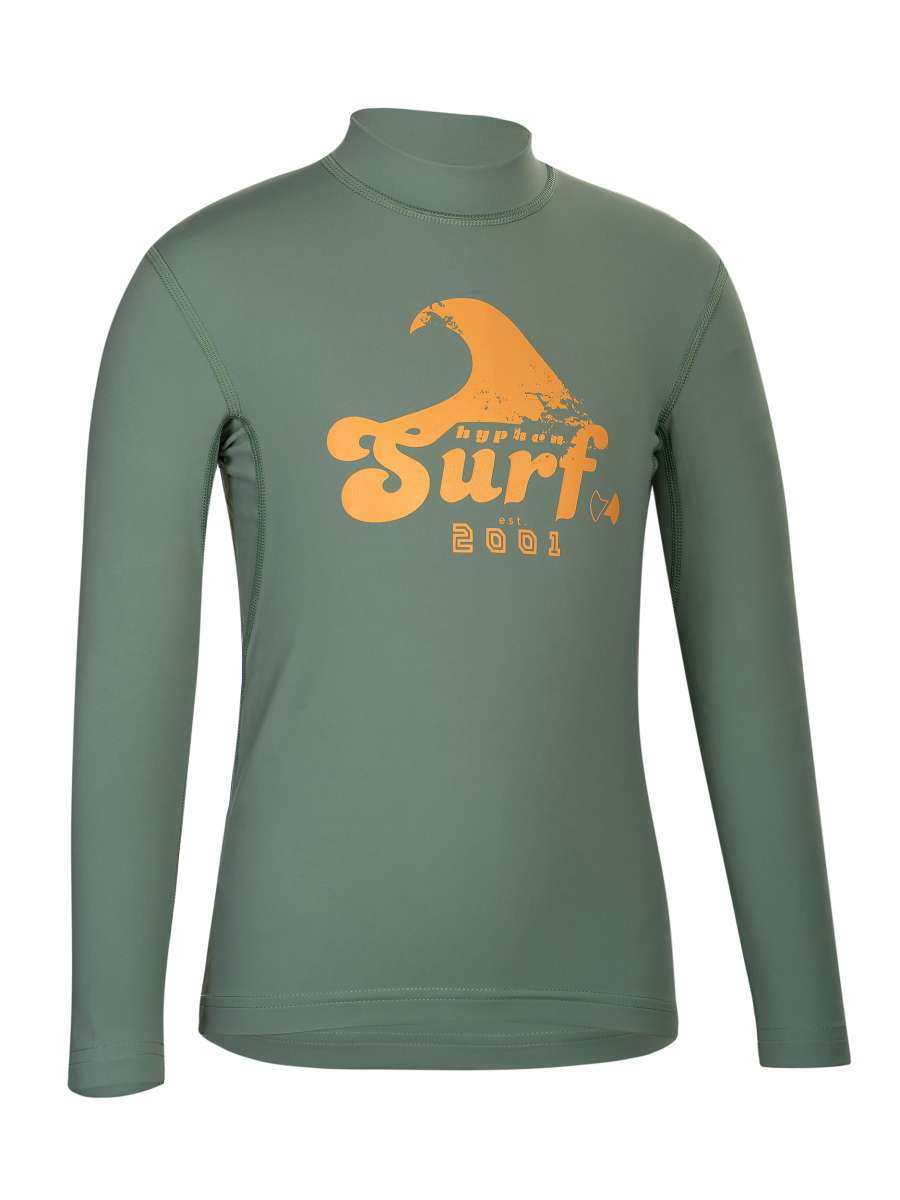
Leichtes Langarmshirt in Blaugrau.
€42.95
KIDS UV Shirt - aquarius KIDS UV Shirt - aquarius
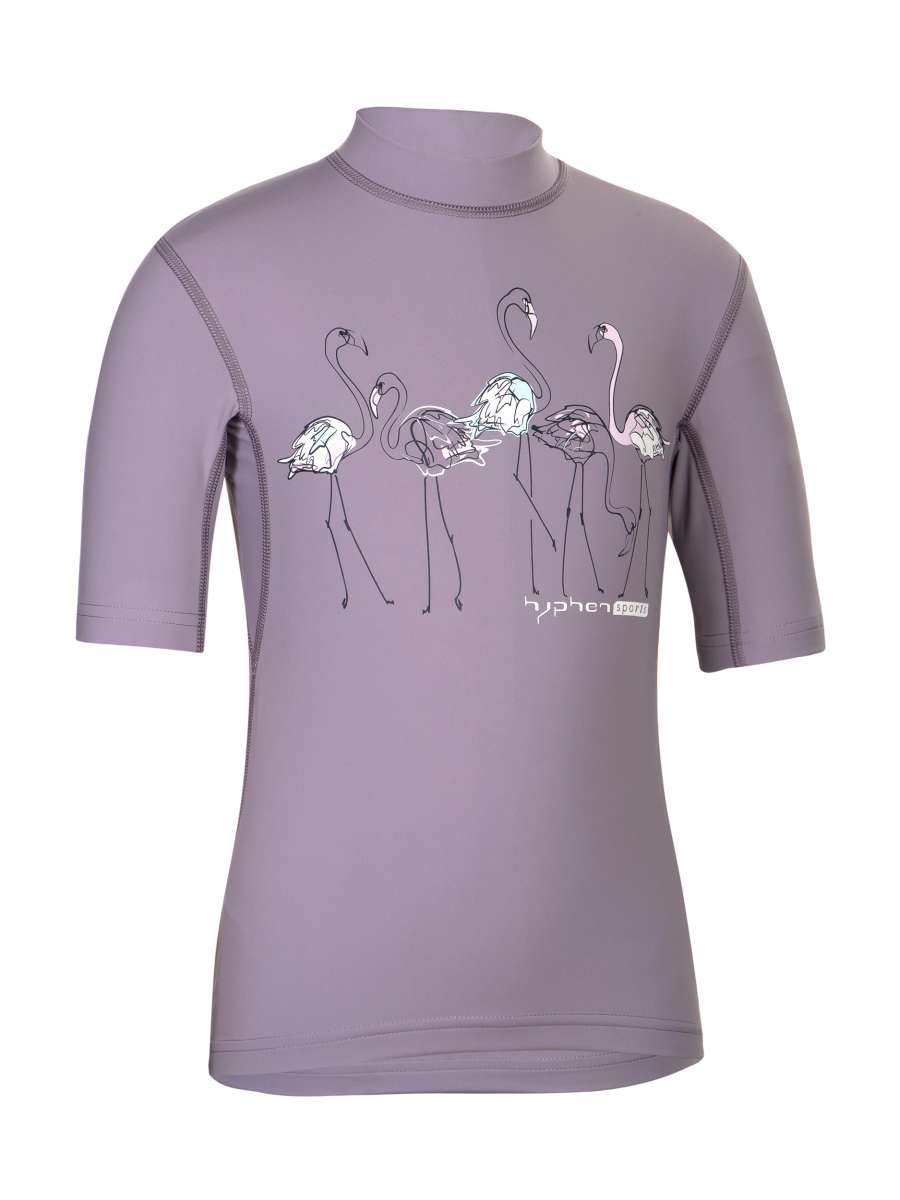
Leichtes Kurzarmshirt in vintage türkis.
€39.95
Board shorts ’tangerine‘ Board shorts ’tangerine‘
Cool orange board shorts with white offset piping.
€44.95
Shellshirt 'white' Shellshirt 'white'
Subtle, light long-sleeved shirt in white for kids, which wears like a second skin under every clothing.
€42.95
3/4 Pants 'oulu baton rouge' 3/4 Pants 'oulu baton rouge'
Lightweight, comfortable 3/4 trousers in cargo look in strong pink.
€49.95
Pants 'white' Pants 'white'
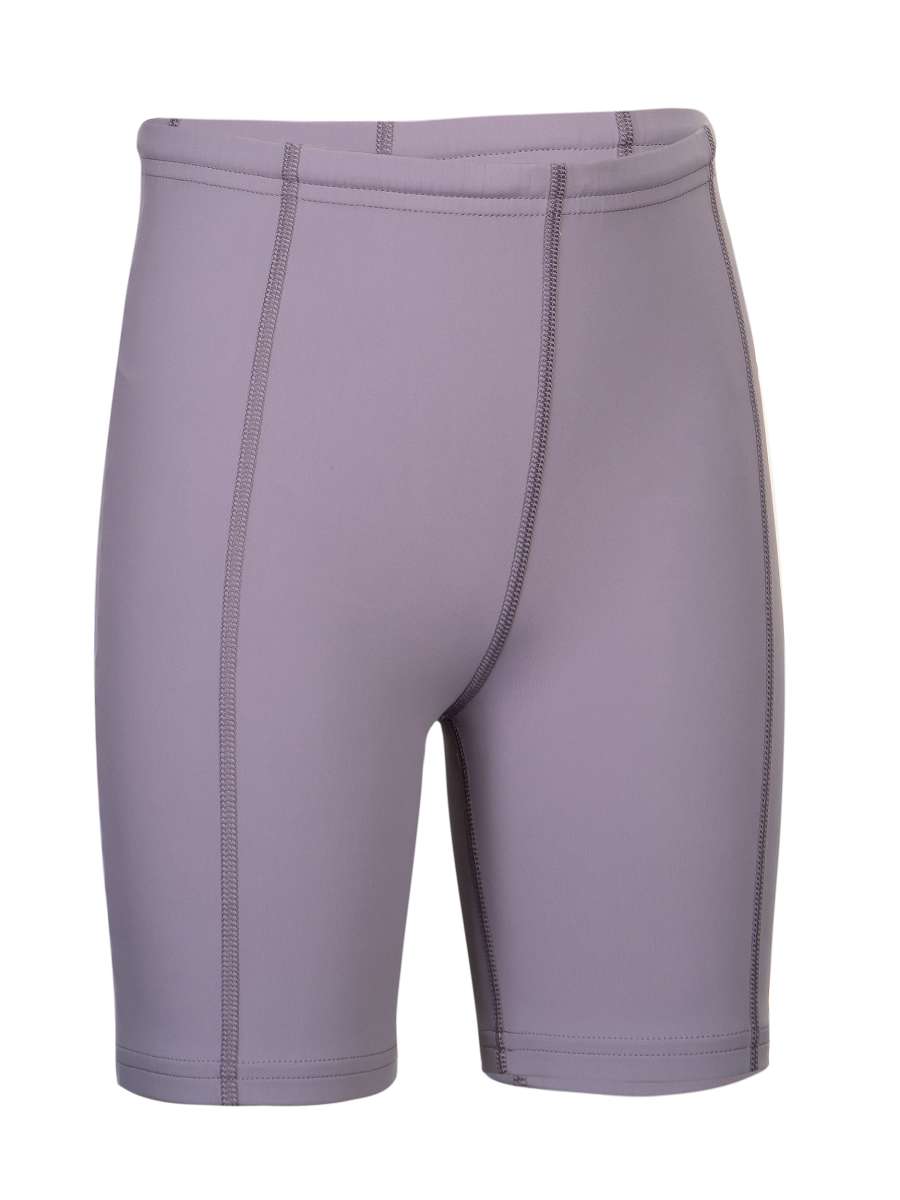
White leggings for kids, ideal for everyday wear and sport.
€33.95
Pants 'cruiser baton rouge' Pants 'cruiser baton rouge'
Light, long pants in strong pink.
€49.95
4 From 4
Children's UV Protection

They play outside. Their skin never forgets.

Children's skin is more active in the sun than any other – yet it is less protected. What parents need to know about UV protection for kids. Based on 25 years of experience.

Natural protection is not enough for your children

Children spend up to three times more time in the sun than adults. At the same time, their skin is not yet fully developed: Melanin production – the body's own UV protection – only works reliably from puberty onwards. This means: during the years of highest UV exposure, the skin has the lowest natural protection.

80%
of lifetime UV dose occurs before age 18
3x
more time in the sun than adults
5+
sunburns in childhood double the risk of melanoma
Important to know

UV damage in childhood is the strongest risk factor for skin cancer in adulthood. The skin stores every bit of UV damage – even without a visible sunburn. Health organizations warn: children need special UV protection because their repair mechanisms are not yet fully mature.

Where children are exposed to UV radiation

UV radiation is not just an issue at the beach. Children are unprotected in many everyday situations – often without parents noticing.

Playground & Garden

Hours outdoors, often between 11 am and 3 pm. Many playgrounds offer no shade.

UV Exposure: High

Pool & Beach

Water reflects up to 25% of UV radiation. Wet skin burns faster. Sand adds extra reflection.

UV Exposure: Very High

Sports & Training

Soccer, track, tennis – outdoor sports often mean 2+ hours in direct sun.

UV Exposure: High

Hiking & Cycling

In the mountains, UV levels increase by 10–12% per 1,000 meters of altitude. Wind can mask the heat.

UV Exposure: Medium to High

Schoolyard & Recess

Underrated cumulative effect: 30-minute breaks at high UV index, 5 days a week, for months.

UV Exposure: Medium

Vacation & Travel

Southern Europe, tropics, mountains – UV exposure is often significantly higher than at home.

UV Exposure: Very High
Did you know?

Even with cloudy skies, up to 80% of UV radiation reaches the Earth's surface. Clouds filter visible light, but hardly any UV. Children need protection even on days that don't seem "sunny."

Why sunscreen isn't enough for active children

Children play, romp, swim, and sweat. Sunscreen can't keep up with that pace. UV clothing can.

UV Clothing UPF 80

  • Protects instantly upon putting it on
  • No messy creams, no arguments
  • Stays active during play, swimming, and movement
  • No reapplication every 2 hours necessary
  • No gaps, no missed spots
  • No abrasion from sand, sweat, or water
  • Constant protection – regardless of application amount

Sunscreen Alone

  • 20-minute lead time before going outside
  • Children resist application
  • Rubbed off by sweat and movement
  • Quickly washed off in water
  • Must be renewed every 2 hours
  • Back, ears, and neck often forgotten
  • Studies: Parents only apply 25–50% of the recommended amount

Smart combination: UV clothing as basic protection for the body, sunscreen only on uncovered areas like face, hands, and feet. This reduces the area to be creamed by up to 80% – less effort, more protection.

What you should look for in children's UV clothing

Not every UV shirt delivers what the label promises. These criteria separate real protection from marketing.

Criterion Recommended Questionable
UV Standard UV Standard 801 (tested wet, stretched, and used) Only tested when new or no standard at all
UPF Rating UPF 80 (less than 1.3% UV transmission) UPF 30–50 (lower safety margin)
Pollutant Testing OEKO-TEX Standard 100 No independent pollutant testing
Material Polyamide-Elastane (lightweight, quick-drying) Cotton blends (heavy, slow-drying)
Durability Physical UV protection through weave density Chemical coating (washes out)
Size Range Baby to Adult (grows with the child) Only up to size 116 (~3 years)
Production Europe (transparent quality, short distances) Asia (20,000+ km transport route)

Quick Checklist: Buying UV Clothing for Kids

  • "UV Standard 801" label present
  • UPF rating of at least 80
  • OEKO-TEX Standard 100 certified
  • Quick-drying (10–15 minutes)
  • Durable enough for active play
  • Sizes that grow beyond age 3
  • Transparent and European production location

Since 2001: UV protection out of conviction

When hyphen was founded in 2001, UV protective clothing was practically unknown in Germany. Sunscreen was the standard, textile UV protection a niche. hyphen turned this niche into a category – and relied on the strictest standard from the very beginning: UV Standard 801 with UPF 80.

25 years later, awareness of textile UV protection has grown. But our core conviction remains the same: children deserve the best protection, not the cheapest. Tested under real conditions, not just in the lab. Sewn in Europe, not on the other side of the world.

25 Years
Pioneer for UV protective clothing in Germany
UV Standard 801 since Day 1 The strictest UV testing standard – tested wet, stretched, and used. No compromises since 2001.
UPF 80 – Always Highest protection factor. Less than 1.3% UV transmission. Not as a premium option, but as the standard.
Pharmacy Approval The only provider of UV protective clothing in Germany approved for sale in pharmacies.
Sewn in Croatia 550 km from Munich. European production with transparent conditions. No 20,000 km sea route from Asia.

Other providers came and went. Trends changed. But the UV protection that children's skin needs hasn't changed in 25 years. UPF 80 according to UV Standard 801 – that was our conviction on day one, and it remains so today.

hyphen – since 2001: UV Standard 801, UPF 80, sewn in Croatia

Protection that grows with you

Many UV clothing providers only cover baby sizes up to 116 – about 3 years old. After that, parents face a problem: new provider, different standard, unknown quality.

hyphen offers UV protective clothing for the entire family – from size 68 (babies) to XL (adults). All according to UV Standard 801 with UPF 80, all sewn in Croatia, all OEKO-TEX tested. The same standard, whether your child is 6 months or 12 years old.

And when children get older and ask their parents "Why do I have to wear this?" – the answer is simple: Because the whole family wears the same. Same protection, same standard, same trust.

UV Protection for Kids – Parents Ask

From birth well into puberty. The skin's natural protection – melanin production – is not yet fully developed in children. Dermatologists recommend UV protective clothing for all children who spend time outdoors regularly, especially between 11 am and 3 pm.
No. A light-colored cotton T-shirt has a UPF of only 5–10 – meaning up to 20% of UV radiation passes through. Protection drops further when wet. A certified UV shirt with UPF 80 according to UV Standard 801 allows less than 1.3% UV radiation to pass – even when wet, stretched, and after many washes.
UPF 80 means the textile allows only 1/80th of UV radiation to pass – less than 1.3%. For comparison: UPF 50 allows 2% to pass. Especially for children's skin, which is more sensitive, UPF 80 offers the greatest safety margin. At hyphen, UPF 80 has been the standard for 25 years – not marketing, but conviction.
On the contrary. UV clothing made of Polyamide-Elastane is lighter and more breathable than cotton. The material transports moisture away quickly and dries in 10-15 minutes. Children are less likely to overheat in it than in a conventional cotton shirt.
UV Standard 801 is the strictest testing standard worldwide. It measures UV protection not just on new, dry fabric, but also when wet, stretched, and used – under real conditions. Other standards only test the new condition. hyphen has tested consistently according to UV Standard 801 since 2001.
In high-quality UV clothing where protection is created by the weave density of the fiber, the UV protection lasts as long as the garment itself. At hyphen, the protection is physically anchored in the fiber structure – it doesn't wash out or fade. The UV Standard 801 test explicitly confirms protection in used condition. This is crucial for children's clothing, which is washed frequently.
Viewed