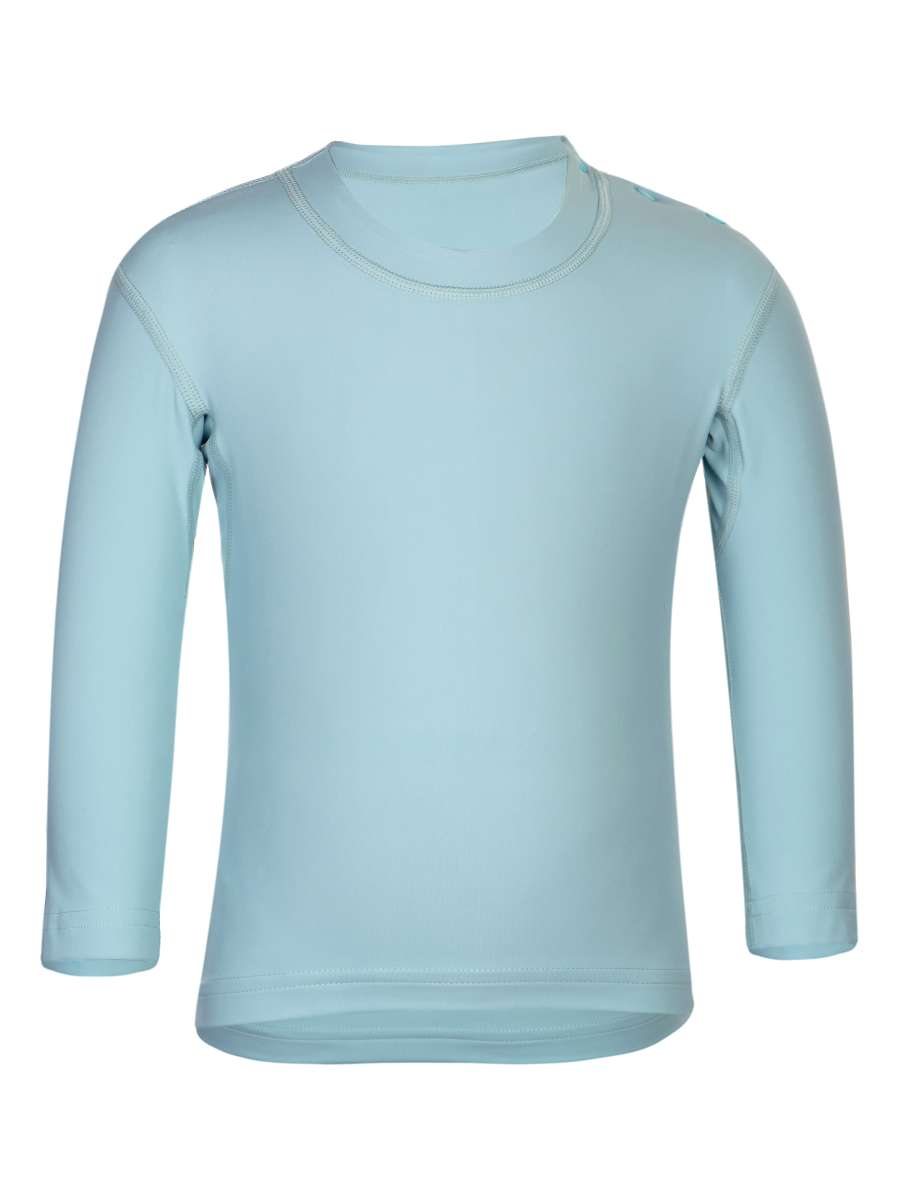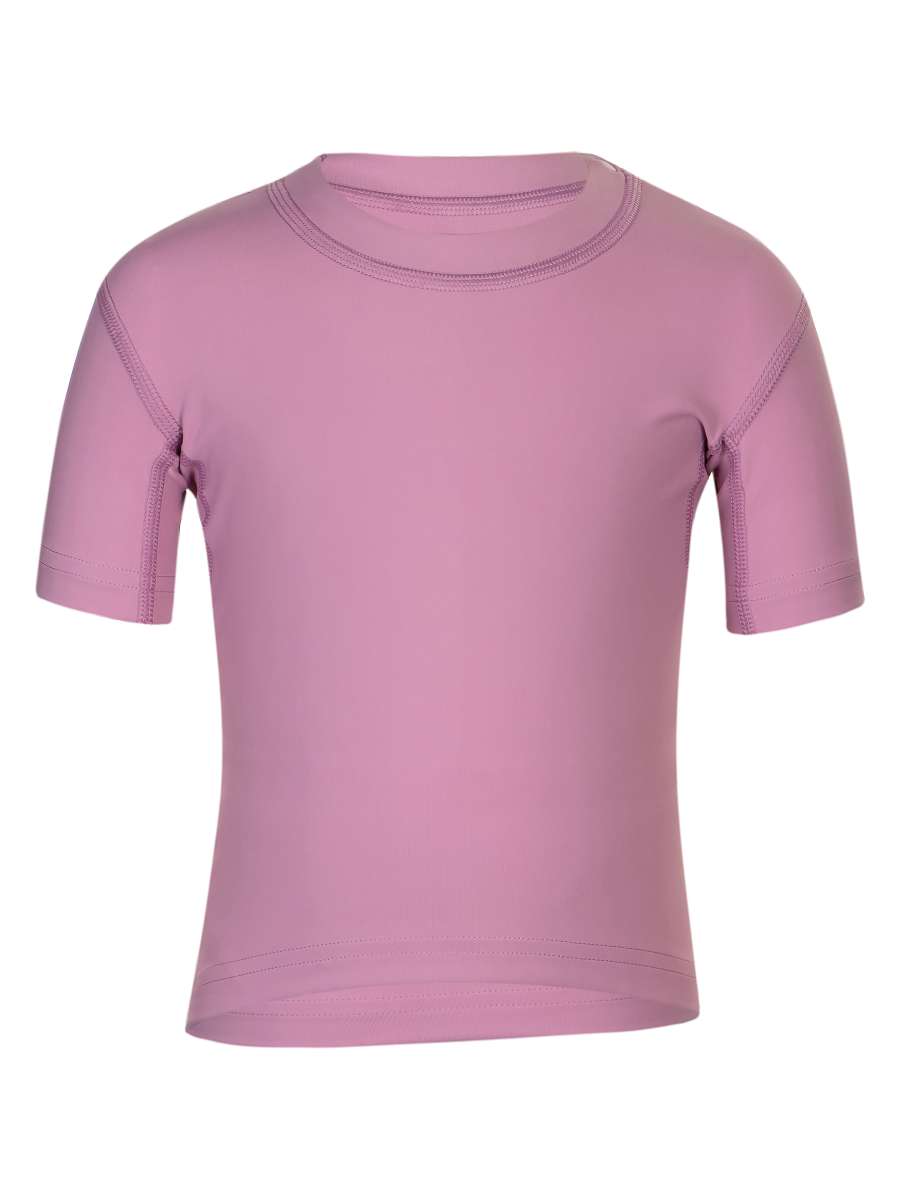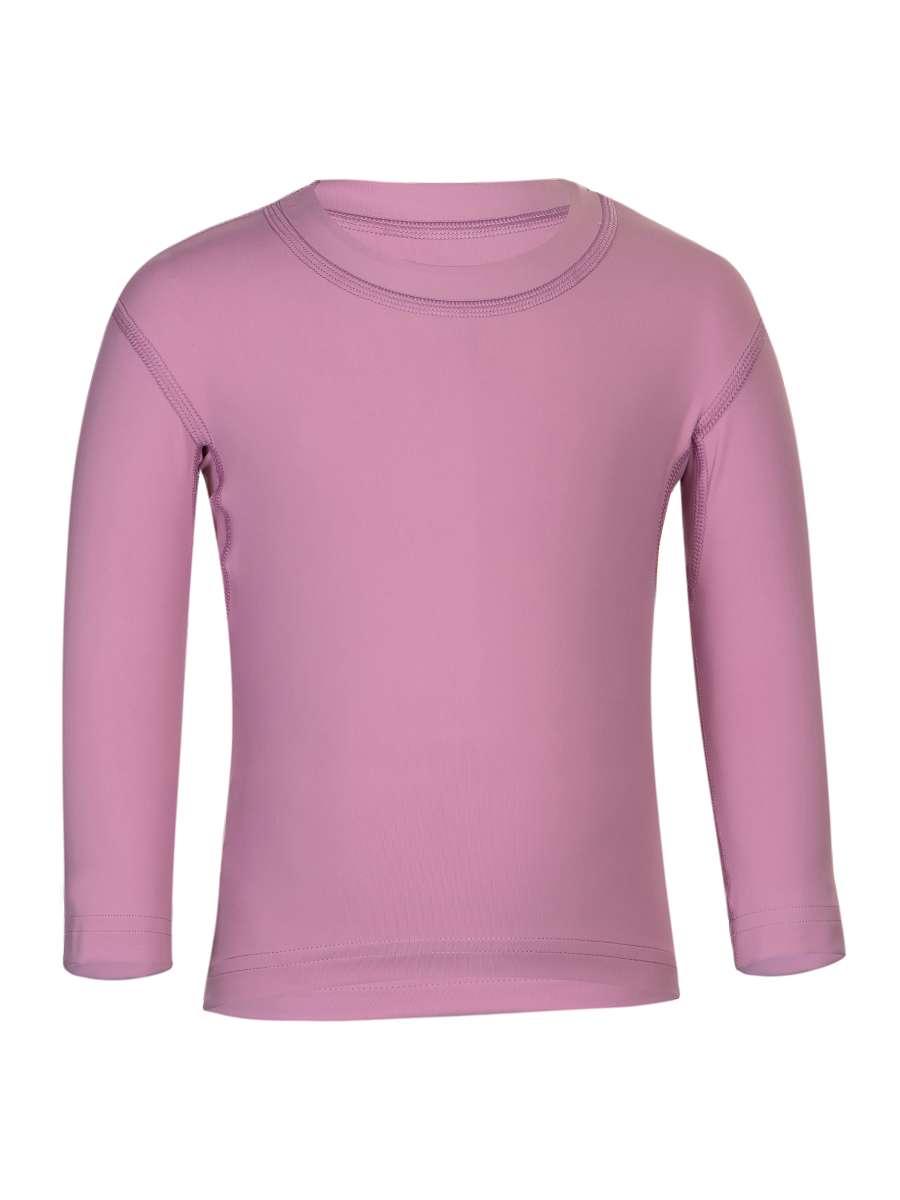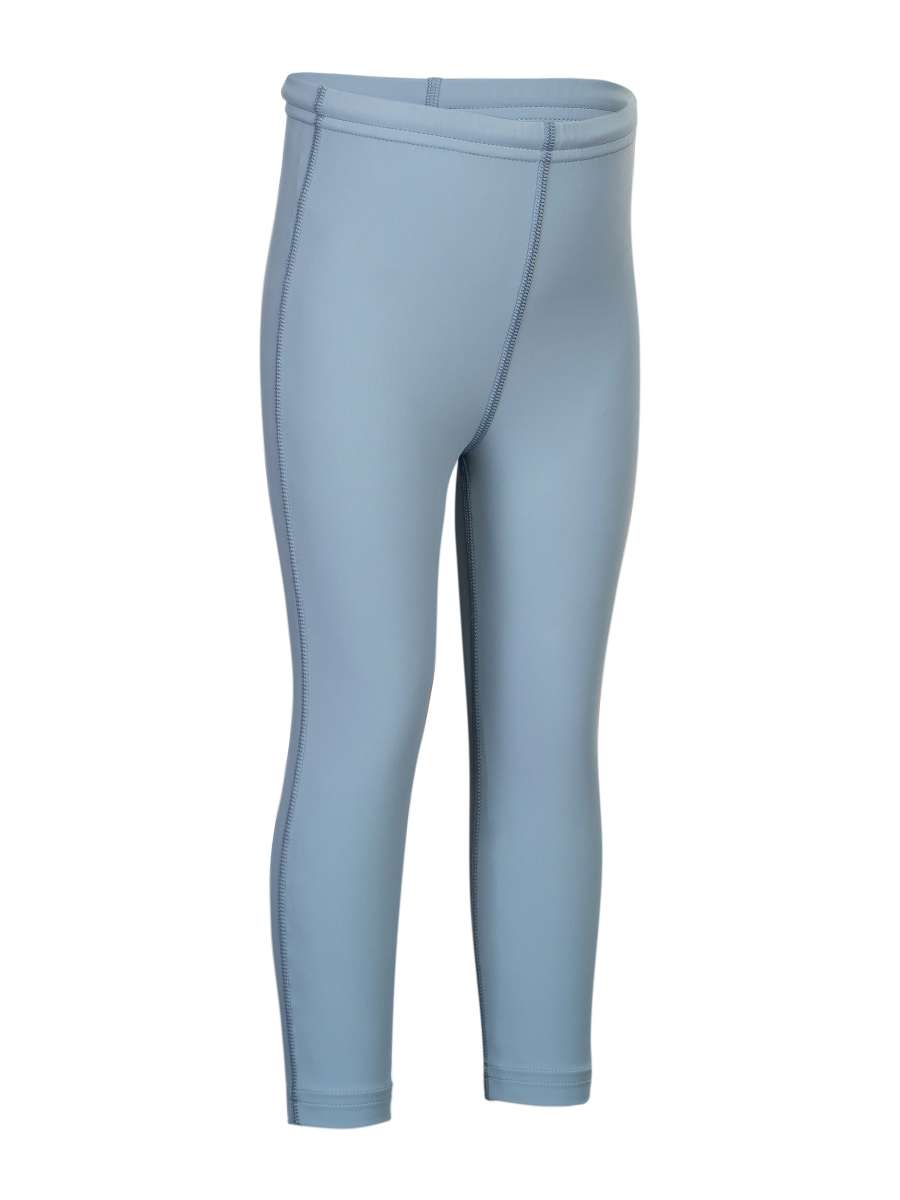
UV protective wear for babies certified according to UV STANDARD 801

Safe and reliable UV protection ☀ Enjoy the sun cheerful ☀ Sustainably made in Croatia

Safe and reliable UV protection ☀ Enjoy the sun cheerful ☀ Sustainably made in Croatia

✓ Fast delivery: Ordered by 1 p.m. – shipped today (weekdays Mon–Fri)

Close filters
➤ Filter
  •  
  •  
  •  
  •  
  •  
No results were found for the filter!
T-Shirt 'yip hip ike striped cobalt / cobalt' T-Shirt 'yip hip ike striped cobalt / cobalt'
Cheeky, blue striped baby long-sleeved shirt with funny print.
€39.95 *
T-Shirt 'baton rouge' T-Shirt 'baton rouge'
Light short sleeve shirt in pink with button placket on the shoulder.
€37.95 *
T-Shirt 'moloki azur' T-Shirt 'moloki azur'
Lightweight short sleeve shirt in turquoise with button placket on the shoulder.
€37.95 *
T-Shirt 'cobalt' T-Shirt 'cobalt'
Lightweight short sleeve shirt in royal blue with button placket on the shoulder.
€37.95 *
7 From 7
Baby UV Protection

5 times thinner. 0 self-protection. 100% dependent on you.

Baby skin cannot protect itself from UV radiation. What parents need to know — and how a single garment protects more than any sunscreen.

Your Baby's Skin Has No UV Protection

Baby skin isn't just "sensitive." It is fundamentally structured differently than adult skin. The horny layer, which serves as a natural UV barrier in adults, is barely developed in babies. The pigment cells that produce melanin in adults do not yet function reliably in the first years of life.

5x
thinner than adult skin
0
effective melanin protection in infants
3x
faster sunburn than in adults
Important to Know

Sunburn in the first years of life significantly increases the risk of skin cancer in adulthood. Every single sunburn counts. The German Cancer Aid recommends: As a matter of principle, do not expose babies under 12 months to direct sunlight.

When Your Baby Needs Which Protection

UV protection should grow with your baby. Here is what applies at which age and why UV clothing is the most important protection, especially in the early years.

0 – 6 Months: Shade + UV Clothing

Avoid direct sun completely. Sunscreen is not recommended by dermatologists at this age — the ingredients can irritate the thin skin. UV clothing with UPF 80 is the only recommended textile protection.

6 – 12 Months: UV Clothing + Targeted Sunscreen

Continue to avoid direct midday sun. UV clothing protects the body; use special baby sunscreen (mineral filters) for the face, hands, and feet.

1 – 3 Years: UV Clothing as Base + Sunscreen for Exposed Areas

Children become more mobile and spend more time in the sun. A UV overall or UV shirt serves as basic protection, with sunscreen applied only to uncovered areas. This saves time on application and prevents daily arguments.

3+ Years: UV Clothing Grows with Them

Children play, romp, and swim. A UV shirt with UPF 80 provides reliable protection through it all. Many providers only cover up to size 116 (approx. 3 years). hyphen offers UV protection from baby to adult — the protection standard remains the same.

Why Sunscreen Isn't Enough for Babies

Sunscreen is an important component of UV protection — but for babies, it is neither the best nor the recommended primary protection. Here are the facts in direct comparison.

UV Clothing UPF 80

  • Protects immediately upon putting it on
  • No cream application, no crying
  • Holds up in water, sand, and while crawling
  • No re-application necessary
  • No chemicals on baby's skin
  • Recommended for babies under 6 months
  • Works even in the shade (reflected UV)

Sunscreen Alone

  • Must be applied 20 min. before sun contact
  • Re-apply every 2 hours
  • Rubbed off by sand, water, and sweat
  • Babies resist the application process
  • Chemical filters can irritate skin
  • Not recommended under 6 months
  • Gaps in application = unprotected spots
Did You Know?

Studies show that parents apply only 25–50% of the recommended amount of sunscreen on average. With a baby bodysuit featuring UPF 80, there is no "too thin layer" — the protection is physical and constant.

What You Should Look for in Baby UV Clothing

Not every UV shirt for babies delivers what the label promises. These points separate reliable protection from marketing.

Criterion Recommended Questionable
UV Standard UV Standard 801 (tested wet, stretched, and used) Only Australian standard or no standard at all
UPF Value UPF 80 (less than 1.3% UV transmission) UPF 30–50 (too little reserve for baby skin)
Pollutant Testing OEKO-TEX Standard 100 (Class I = Babies) No independent pollutant testing
UV Protection Method Weave density (physical, permanent) Chemical coating (washes out)
Seams Flat seams (no chafing) Normal seams (chafe on baby skin)
Production Europe (transparent conditions, short distances) Asia (20,000+ km sea route, hardly verifiable)

Quick Checklist: Buying Baby UV Clothing

  • "UV Standard 801" label present
  • UPF value of at least 80
  • OEKO-TEX Standard 100, Class I (Babies)
  • Flat seams to prevent chafing
  • Quick-drying (10–15 minutes)
  • Production location transparent and European
  • Sizes available beyond age 3

Protection That Grows With You

Most providers of baby UV clothing only cover sizes up to 116 — which corresponds to about 3 years. After that, parents have to switch providers and may lose the protection standard they are used to.

hyphen offers UV protective clothing according to UV Standard 801 with UPF 80 for babies, children, women, and men. Everything from a single source, all sewn in Croatia. Same standard, same quality — from size 68 to XL.

When a baby grows up with hyphen UV protection, the family never needs to switch providers. Same standard, same trust — from the first day at the beach to the surfing course.

hyphen — UV Standard 801, UPF 80, sewn in Croatia

UV Protection for Babies — Parents Ask

From the first day in the sun. Baby skin is up to 5 times thinner than adult skin and does not yet have effective self-protection against UV radiation. Dermatologists recommend: Basically do not expose babies under 12 months to direct sun and always use UV protective clothing.
No, all areas covered by the overall are protected by UPF 80. Only apply cream to the exposed areas: face, hands, and feet. For babies under 6 months, dermatologists do not recommend sunscreen anyway — UV clothing is the only recommended protection here.
No. High-quality UV clothing made of polyamide-elastane is significantly lighter and more breathable than cotton. The material cools through evaporation and dries in 10–15 minutes. Babies sweat less in it than in a cotton bodysuit.
Three things: First, the "UV Standard 801" label — this tests protection even when wet and stretched. Second, the UPF value — UPF 80 offers the highest protection factor. Third, OEKO-TEX Standard 100 — guarantees pollutant-free fabrics. Also: flat seams to prevent chafing and European production for short transport routes and transparent quality.
Yes, if the protection comes from the weave density instead of a chemical coating. At hyphen, the UV protection is physically anchored in the fiber structure — it does not wash out. The UV Standard 801 certification explicitly tests the protection in a used state. Baby clothes are washed particularly often — and that is exactly what the standard is made for.
Viewed