No results were found for the filter!
NEW
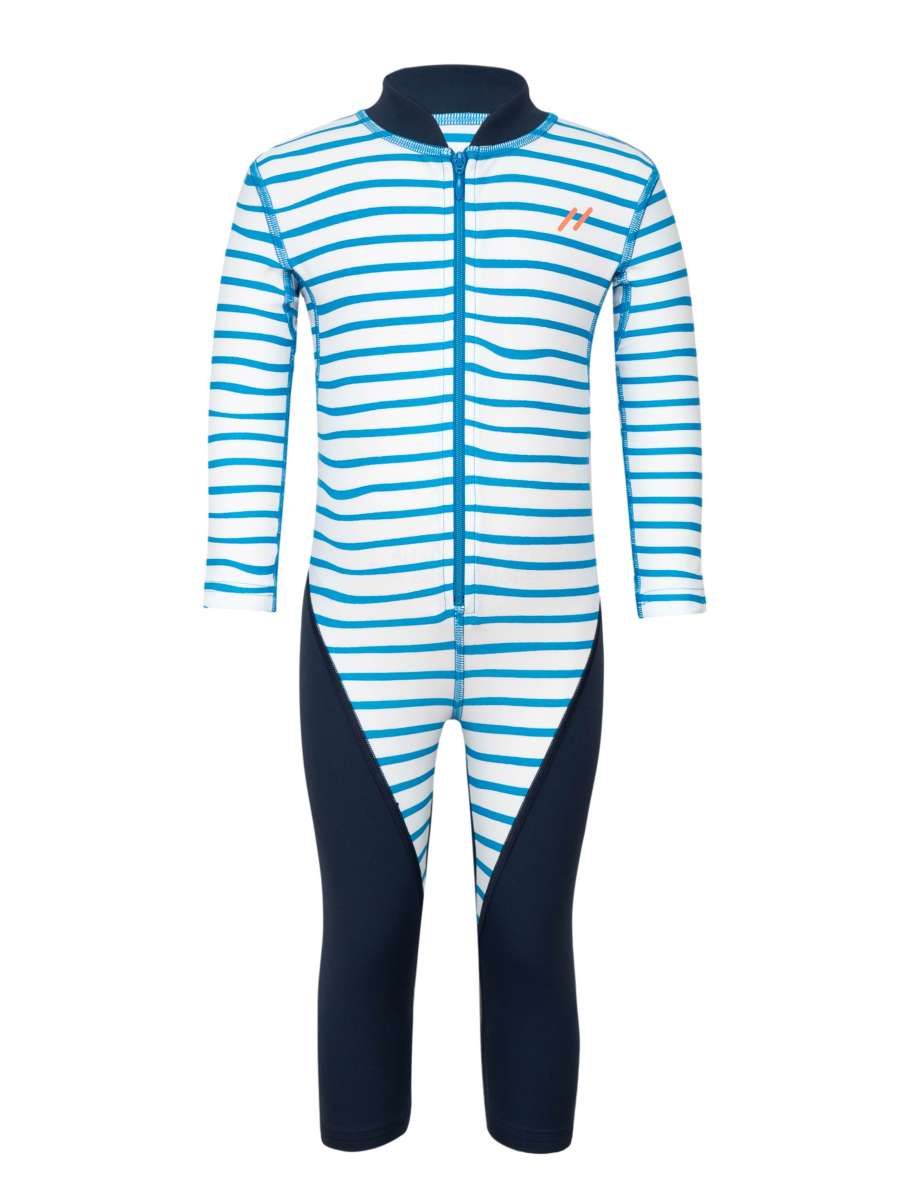 BABY UV Overall ’striped cielo code zero‘
 Blauweiß gestreifter Baby UV Anzug mit farblich passend abgesetzten Beinen und Gesäßbereich.
€59.95 *
NEW
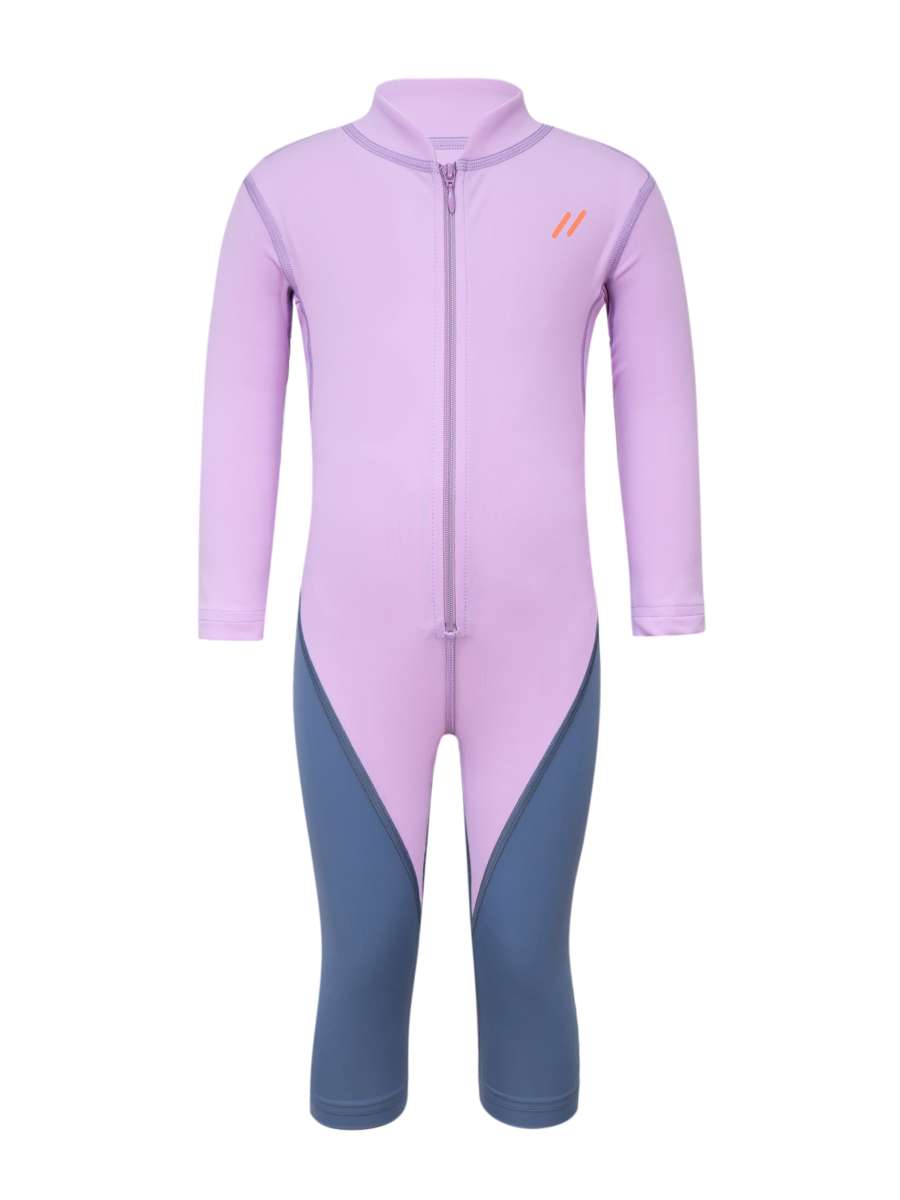 BABY UV Overall ’lill dion‘
 Fliederfarbener Baby UV Anzug mit farblich passend abgesetzten Beinen und Gesäßbereich.
€59.95 *
NEW
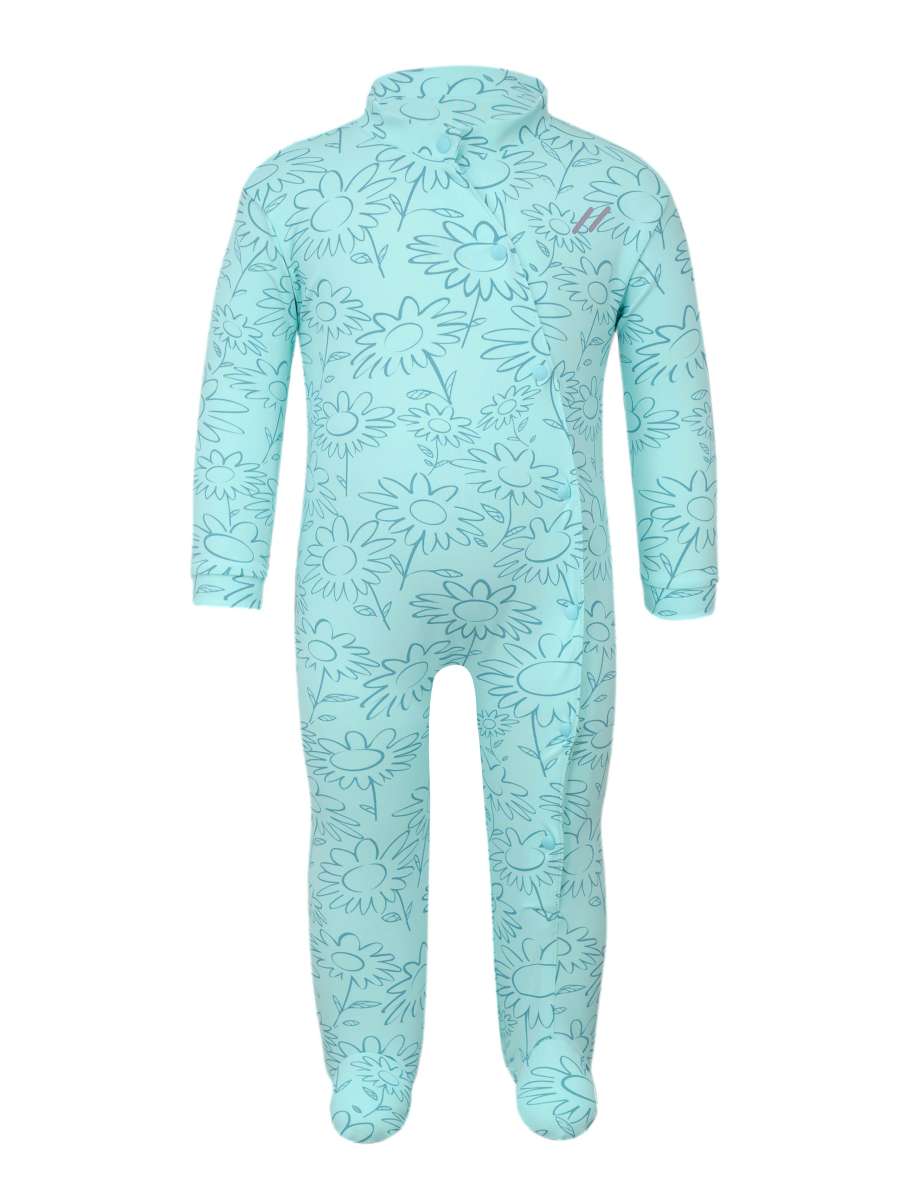 BABY UV Strampler ’flow trooper‘
 Türkisfarbener Strampler mit Blumendruck und durchgehender Knopfleiste zum leichten An- und Ausziehen.
€49.95 *
NEW
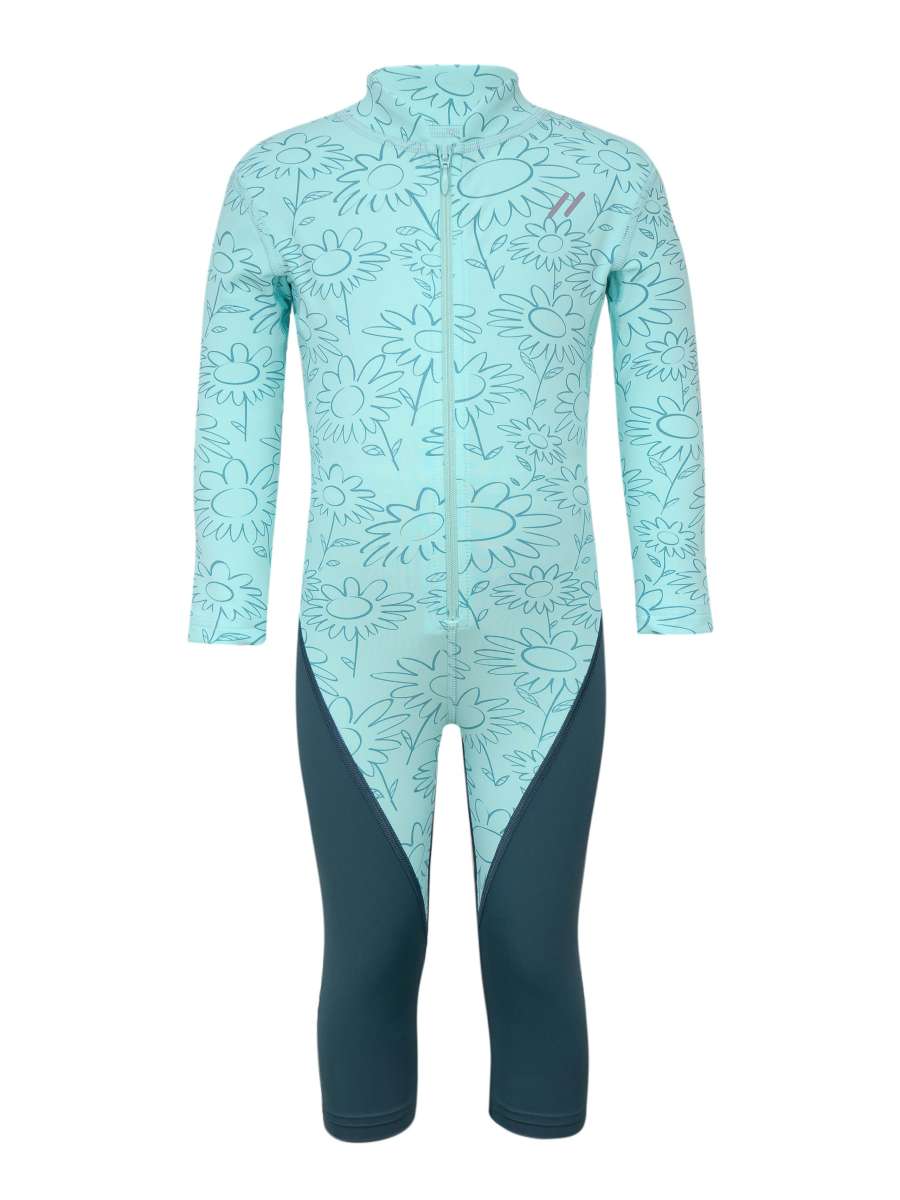 BABY UV Overall ’flow trooper pine‘
 Türkisfarbener Baby UV Anzug mit Blumendruck und Reißverschluß mit farblich passend abgesetzten Beinen und Gesäßbereich.
€59.95 *
NEW
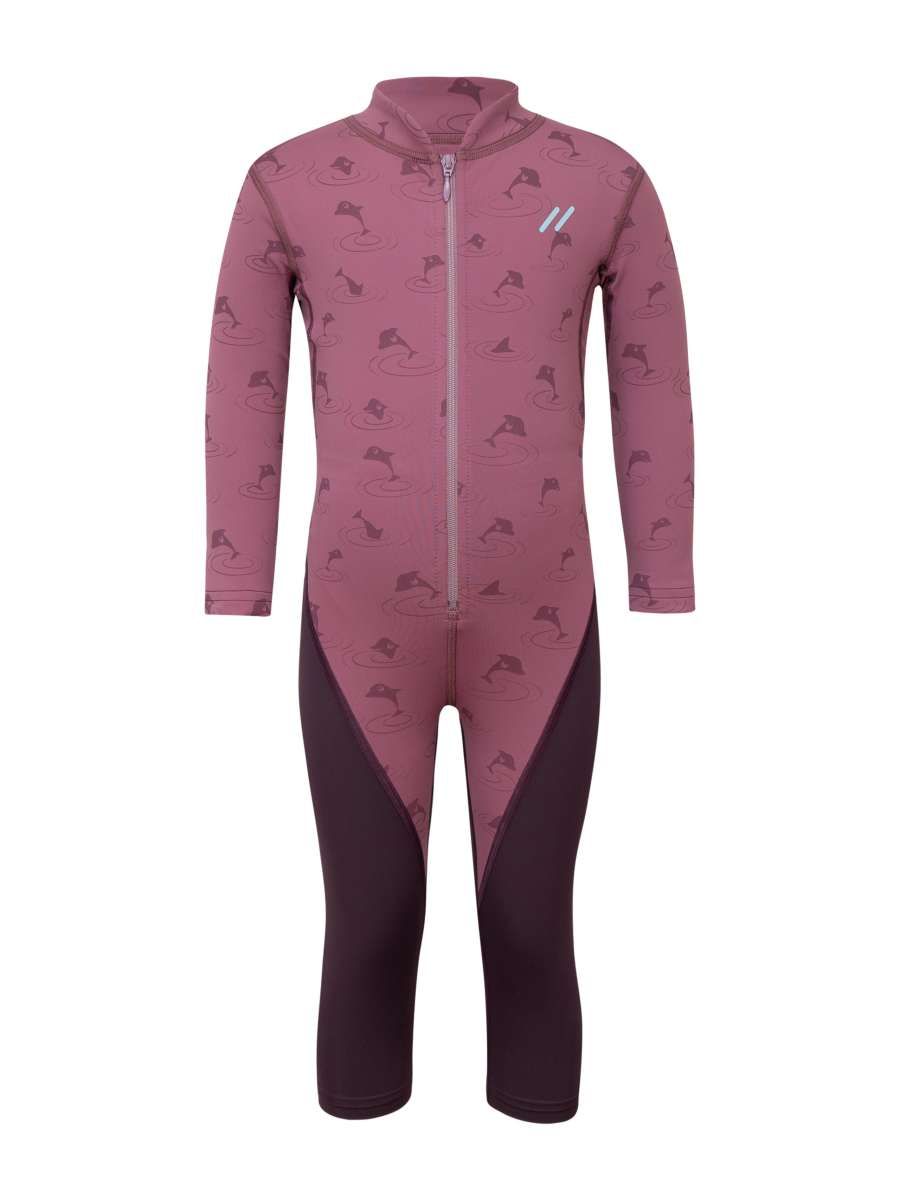 BABY UV Overall ’dolphins mendocino‘
 Altrosafarbener Baby UV Anzug mit Delphinen bedruckt und farblich abgesetzten Beinen und Gesäßbereich.
€59.95 *
NEW
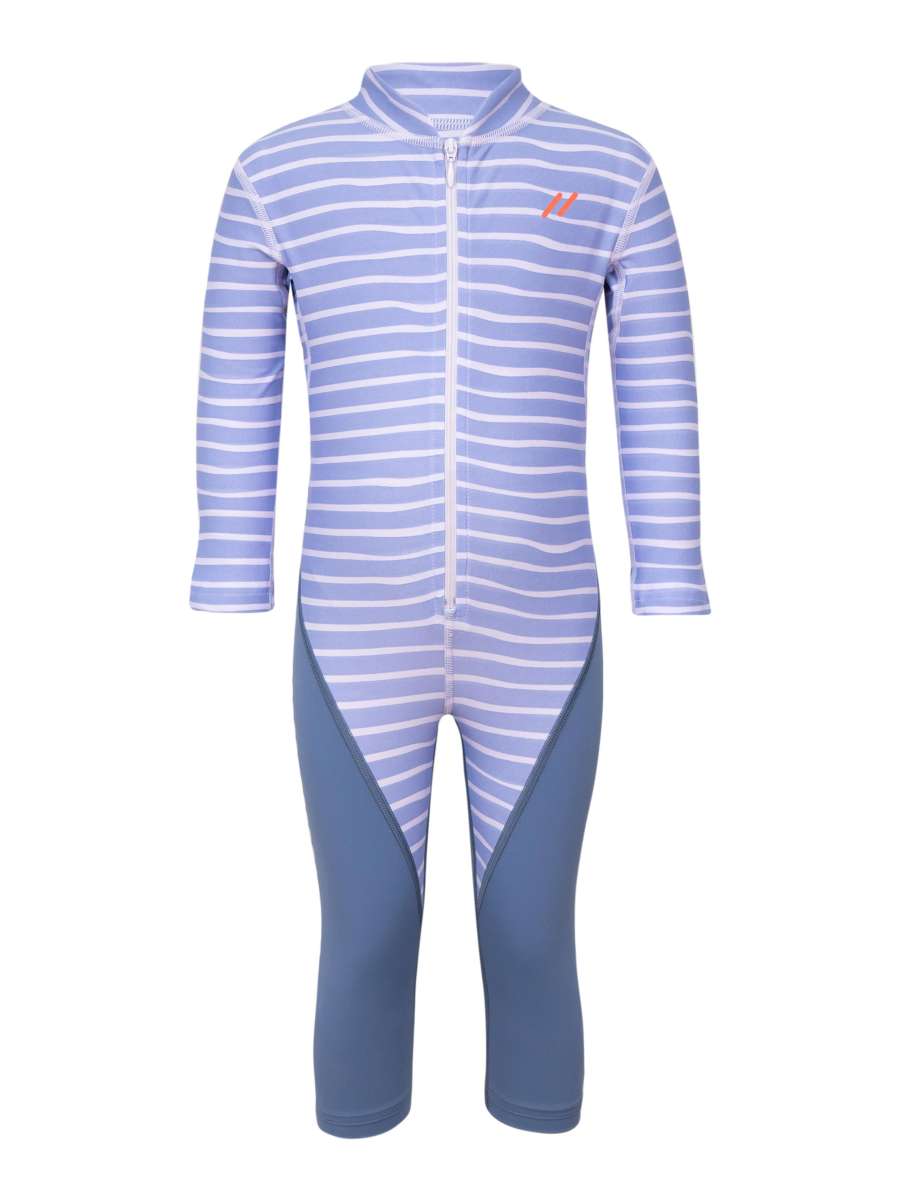 BABY UV Overall ’striped sweet lave dion‘
 Blau gestreifer Baby UV Anzug mit farblich abgesetzten Beinen und Gesäßbereich.
€59.95 *
NEW
 BABY UV Overall ’moloki azur vanira bay‘
 Petrolfarbener Baby UV Anzug mit farblich passend abgesetzten Beinen und Gesäßbereich.
€59.95 *
NEW
 BABY UV Strampler ’dolphins‘
 Mit Delphinen bedruckter Strampler und einer durchgehenden Knopfleiste zum vereinfachten An- und Ausziehen.
€49.95 *
 BABY UV Overall ‘tepee stripes‘
 Hellolivfarben gestreifter Overall mit farblich abgesetzten, dunkelblauen Beinen und Gesäßbereich.
€59.95 *
 UV Romper ‘tepee stripes‘
 Hellolivfarbener, gestreifter Strampler mit einer durchgehenden Knopfleiste zum vereinfachten An- und Ausziehen.
€49.95 *
 BABY UV Overall ‘bell air‘
 Blaugrauer Overall mit farblich abgesetzten, dunkelblaue Beinen und Gesäßbereich.
€59.95 *
 BABY UV Overall ‘baton rouge stripes‘
 Pinkfarbener Overall mit farblich passend abgesetzten, burgunderfarbenen Beinen und Gesäßbereich.
€59.95 *
Warum ist UV-Schutz für Babys und Kleinkinder besonders wichtig?
Babys sollten in den ersten zwölf Monaten nicht direkt der Sonne ausgesetzt werden. Ihr hauteigener Schutzmechanismus muss sich erst noch entwickeln. Neugeborene sind der UV-Strahlung sogar völlig schutzlos ausgeliefert.
Um die Haut von Babys vor der Sonne zu schützen und die Sonnenstrahlen sicher genießen zu können, sollten Kosmetika wie Sonnencremes einen Lichtschutzfaktor (LSF) von 50 und Textilien einen Ultra Protection Factor (UPF) von 80 aufweisen.
Nur UV Anzüge für Babys von hyphen sports bieten diesen sicheren UV-Schutz!
UPF 80 bietet einen UV-Schutz, der 80 Mal länger ist, als der Eigenschutz der Haut. Wir garantieren mit der UV STANDARD 801 Zertifizierung, dass dein UV Anzug im gewaschenen, gebrauchten, nassen und gedehnten Zustand getestet wurden und diesen hohen Schutzstandard dauerhaft erfüllt.
Sensible Babyhaut bleibt nur mit hyphen sports UV Anzug dank dem UV STANDARD 801 und der Passform sicher und zuverlässig beim Baden und Spielen geschützt. Viewed